
Flipping the Food Pyramid: the Gap Between Nutrition Science and the Grocery Aisle
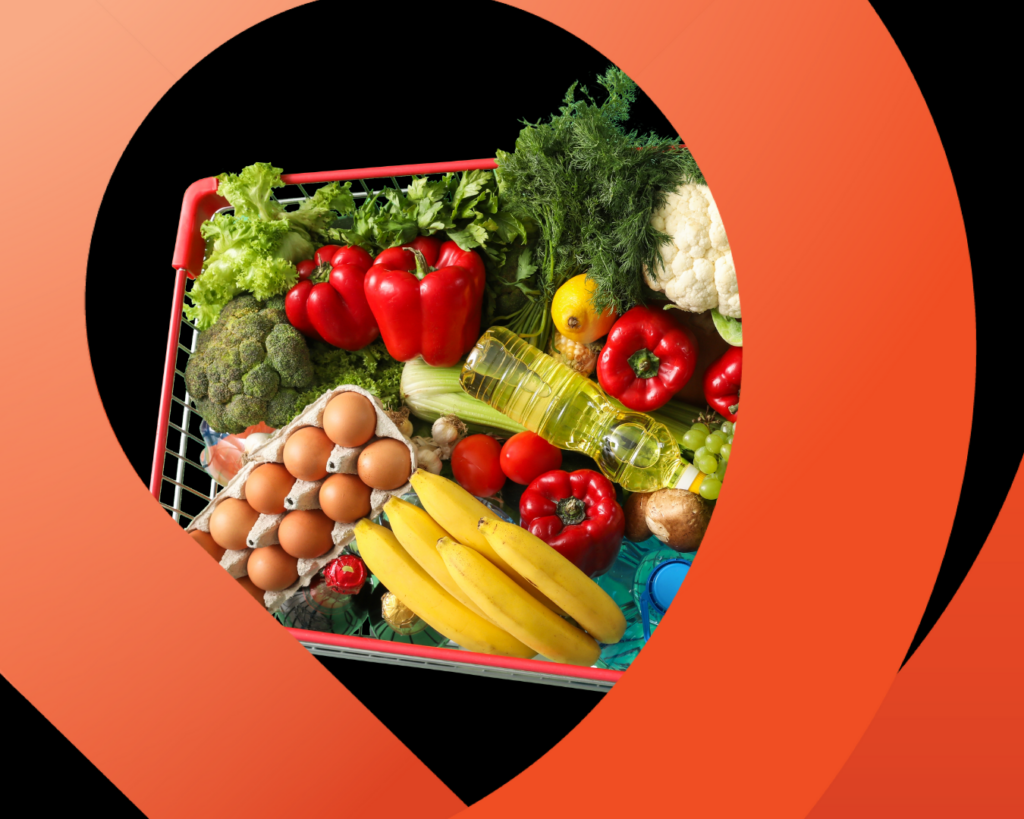
When new nutrition guidance is released, consumers don’t experience it as a neutral update. They experience it as yet another signal telling them what they should be doing, often without acknowledging what they realistically can do.
This reaction cuts across political beliefs, income levels, and health goals. Whether someone is deeply invested in nutrition or simply trying to feed their family, new guidelines tend to surface the same emotional mix: curiosity, confusion, fatigue, skepticism, and even anger.
The United States’ latest dietary guidance, the flipped food pyramid, places greater emphasis on protein and dairy, recommends reduced sugar intake, and updates guidance on alcohol consumption. While the science reflects evolving nutritional understanding, consumer response reveals a deeper story about trust, accessibility, and relevance.
Familiar Frameworks vs. Moving Targets
Many consumers still reference the “old” food pyramid, even though it hasn’t officially existed since 2011. It was replaced by MyPlate, a model that breaks a single meal into food groups and portion guidance.
When the Quester Social Narratives team examined how consumers talk about these frameworks, a clear contrast emerged.
MyPlate is widely perceived as:
- Practical
- Nonjudgmental
- Easy to visualize and apply
- Dismissed by some as too basic, a starting point rather than meaningful guidance
The flipped food pyramid, on the other hand, feels:
- More prescriptive
- More aspirational
And yet, for many consumers, it also feels confusing or emotionally loaded. As guidance evolves, some people question why the rules keep changing, while others feel the framing is disconnected from what actually happens in their kitchens and grocery stores.
As one consumer put it:
“I’m not sure why they moved away from the plate visual. That is much easier to digest.”
Another reflected a broader fatigue:
“Continuing to reference something as a reason to overhaul guidance that hasn’t been used in years feels misleading.”
What’s notable is the frustration with how the new guidance can realistically show up in daily lives.
Aspiration Meets Reality
The flipped pyramid emphasizes protein, fiber, whole foods, and quality. In theory, it aligns with what many consumers already believe “healthy eating” looks like.
In practice, it highlights a persistent gap.
For households with time, money, transportation, and kitchen resources, the guidance can feel motivating or affirming. For others, particularly lower-income families, it can feel unrealistic or quietly judgmental.
Foods that sit at the top of the pyramid often:
- Cost more
- Spoil faster
- Require preparation time
- Assume access to reliable storage, transportation, and cooking equipment
Meanwhile, affordable, shelf-stable, calorie-dense foods—critical to food security for many families—are deprioritized or framed as something to move away from.
One consumer captured this tension clearly:
“Eating the way of the new pyramid might not be accessible or affordable for many Americans. That uncovers a much bigger problem than the pyramid itself—our food system.”
From a narrative standpoint, this creates a familiar pattern: guidance that signals an ideal without fully accounting for lived realities. That gap is where trust is either built or quietly eroded.
What This Means for Food Brands
For brand leaders and food marketers, the opportunity isn’t to take sides in a nutrition debate. It’s to recognize the emotional landscape consumers are navigating.
Consumers are not asking brands to interpret the science for them, they’re asking brands to:
- Acknowledge constraints without shaming
- Support progress without perfection
- Reflect real eating behaviors, not just idealized ones
- Brands that succeed will be those that help consumers bridge aspiration and reality. Meet consumers where they are in messaging, portion flexibility, and preparation support.
- In a world where guidance keeps evolving, credibility comes from empathy, not authority
At Quester, we don’t start with the guidelines, we start with the human. The real insight lives in the tension between hope and hesitation, trust and fatigue, aspiration and reality.
Understanding these social narratives is what turns cultural debate into brand direction and helps food brands show up as allies in everyday life.