
It’s 2016 Again: What Nostalgia is Really Signaling
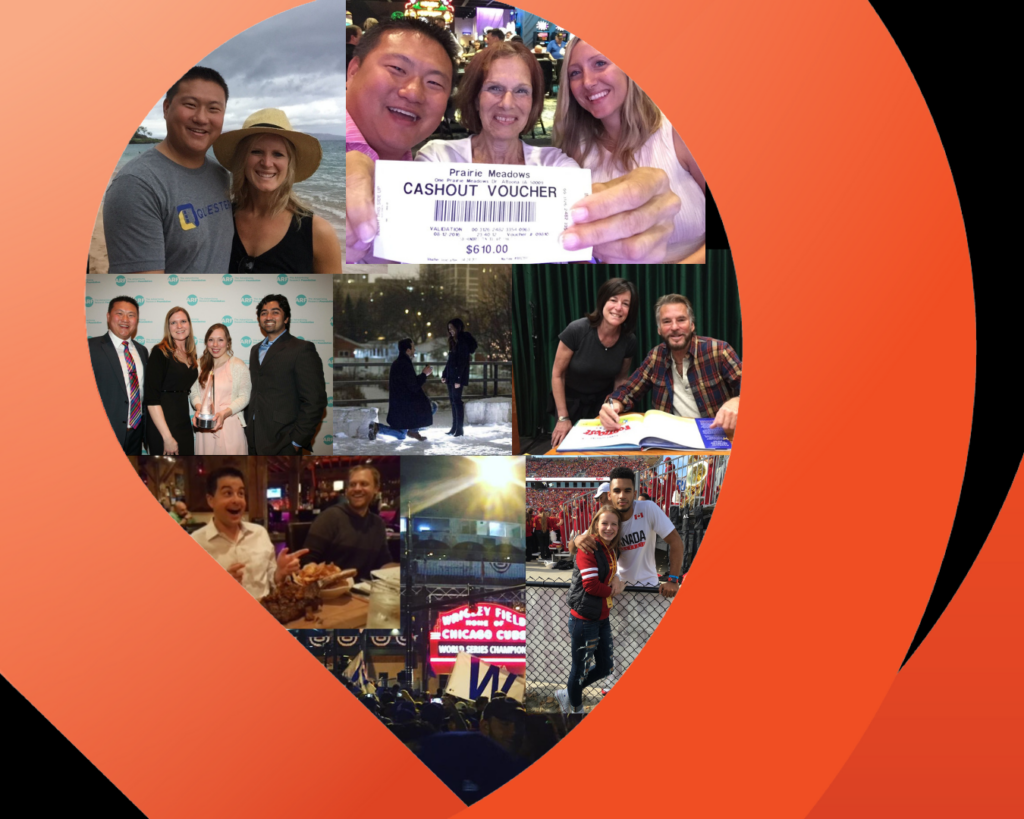
Scroll Instagram or TikTok long enough right now and you’ll feel it: a collective ache for 2016, especially among Millennials and Gen Z.
Back then, internet fame felt accessible through six-second Vines (RIP). Snapchat thrived on playful filters. Instagram feeds were chronological, not curated. Uber, Airbnb, and Spotify still felt novel. Hustle culture was emerging, but burnout hadn’t yet become the dominant storyline. Millennials were stepping into adulthood…#GirlBossing, streaming Lemonade, and believing anything was possible.
Social media felt lighter. Culture felt shared. And adulthood, while looming, hadn’t yet tightened its grip.
At Quester, we don’t treat nostalgia as a coincidence or simple sentimentality. We see moments like this as Narratives. Rich, emotional story systems that form when individual memories collide with collective experience.
And the Narrative forming around 2016 isn’t really about the year itself.
It’s about what life felt like right before everything got heavier.
There’s an irony embedded in today’s longing. As one social voice put it:
“Maybe it is just the social media posts I’ve been subjected to, but there seems to be a ton of nostalgia for the year (and to be more exact, the summer of) 2016. What I find ironic about that is that at the time, I remember that people were talking about how much the year sucked.”
This tension, which felt bad then but feels good now, is precisely what makes the moment meaningful.
Another voice cuts straight through the illusion:
“It’s been 10 years, and people are looking back with rose-colored glasses.”
But rose-colored doesn’t mean false. Nostalgia isn’t a factual recount of history; it’s an emotional reframing of it. What people are remembering isn’t the news cycle of 2016, it’s the feeling of being less burdened.
Across social platforms, the same story repeats, particularly among Millennials and older Gen Z:
“2016 me was 23, fresh outta college, working my first real job that paid just enough to afford rent and Taco Bell. No student loans breathing down my neck yet, no pandemic stress, just like… chilling. Kinda wild how we didn’t realize how ‘normal’ that was back then.”
And:
“Think this is also the year the first year of Gen Z (1997 babies) were graduating high school… It also was the last year before the Trump years.”
From Quester’s analysis, 2016 functions as a symbolic threshold:
- Pre-pandemic
- Pre-constant political volatility
- Pre-creator-economy saturation
- Pre-AI anxiety
- Pre-everything-being-a-brand-deal
As one voice bluntly summarized:
“Social media existed, but hadn’t taken over everything yet. AI was completely unheard of.”
Our quantitative work shows this nostalgia clustering tightly around life stage:
“Millennials were at the perfect age to enjoy life during 2016… It’s looked back on fondly because it’s the last year before things slowly changed and the landscape became more political and hostile.”
In other words, 2016 represents:
- Adulthood without existential overload
- Social connection without monetization pressure
- Cultural moments without algorithmic intent
What does this mean for brand leaders and marketers?
This moment isn’t an invitation to “throw it back.” It’s an invitation to rebuild trust in forward motion.
Brands that rely on nostalgia alone risk reinforcing stagnation, reminding people of what they no longer have instead of what’s possible next.
The brands that win understand this:
People aren’t asking to go back. They’re asking to believe again.
That belief doesn’t come from escapism. It comes from:
- Acknowledging reality without cynicism
- Creating narratives that honor effort, not perfection
- Offering progress that feels human, not optimized
Nostalgia cycles aren’t about the past—they’re diagnostics of the present. The 2016 Narrative reveals exhaustion with friction, intensity, and relentless self-optimization. People are longing for culture that feels human, communal, and a little unserious again.
At Quester, we identify Narratives like this not to chase trends, but to understand the conditions people want more of now.
Because growth doesn’t come from replaying the past.
It comes from recognizing what the past is reminding us we’re missing, and designing for that future instead.