
Culture Pulse: Fourth of July
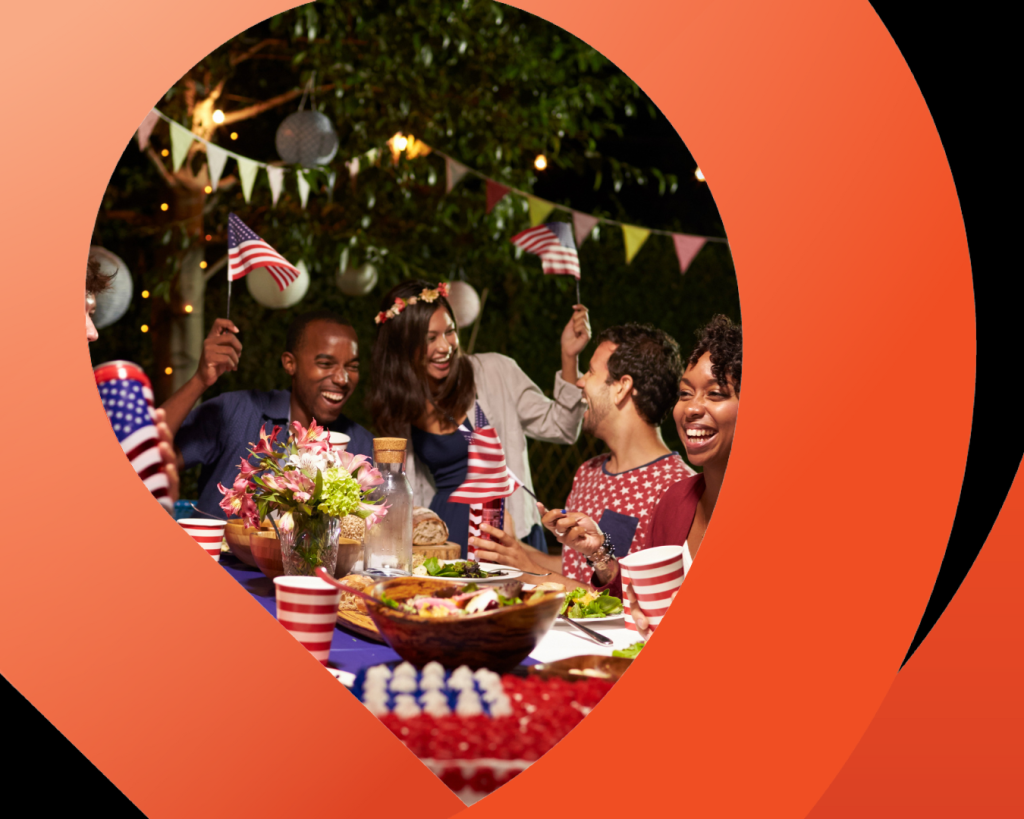
July 4, 2026. 250 years of America.
There's something almost defiant about the Fourth of July. Every year, regardless of what's trending or how loud the national argument got last week, Americans drag out the folding chairs, light something on fire, and decide, collectively, to feel good about where they live. Or at least try to.
This year is different. This year, the number is on the banner: 250.
A quarter-millennium. The Semiquincentennial, if you want to use the word nobody can pronounce. America's big birthday, and like any milestone birthday, it's equal parts celebration and reckoning.
What 250 Actually Feels Like
Ask people what July 4th means to them, and you don’t get one answer. You get America.
“This is America, and you are free to do what you want. It’s one reason why this country is great. For me, Independence Day is a celebration of our country. And our country is so much more than the government, or its politics, or policies. And that’s how I choose to look at it.”
“I’m going to enjoy the 4th with my family. I refuse to let anyone take that away from me.”
“10 years ago, I was looking forward to it. Today, I feel embarrassed to be an American. Normally, we go see the fireworks here in town, this year we’re just gonna stay home.”
The feeling of July 4th is uniquely American precisely because it holds contradictions without collapsing. It is joy and grief, nostalgia and critique, fireworks over a crowd that can’t agree on what they’re celebrating; and yet they’re celebrating together anyway.
The Culture of the Day
Strip away the politics and here’s what the Fourth actually looks like on the ground:
It smells like sunscreen and charcoal. It sounds like a playlist that jumps from country to hip hop to classic rock without apology. It tastes like someone’s grandmother’s potato salad, a recipe that predates the internet, written on an index card with torn corners.
Small towns shut down Main Street. Cities light up skylines. Suburbs explode with amateur pyrotechnics that are, technically, illegal in most states.
This is the connective tissue of the holiday. Not the ideology, but the ritual. The specific, human, tactile stuff that people carry with them for decades.
The 250 Effect: Why This One Hits Different
Milestone anniversaries do something to a culture. They force a kind of collective audit; where were we, where are we, where are we going?
At 200 years, America was in the middle of post-Vietnam uncertainty, political scandal, and a bicentennial celebration that was both exuberant and quietly anxious. Sound familiar?
At 250, the country finds itself at another inflection point. Economically, culturally, and politically. Two sides of the national conversation both claim the Founders, both claim the flag, both show up to the fireworks. And the fireworks don’t care who you voted for. They just go up.
“I still plan on doing a big fireworks show with my neighbors, and continue to hope and fight for a better tomorrow.”
Here’s what Quester knows about people: the surface behavior rarely tells the full story, but it always tells a story.
Americans across the political spectrum consume July 4th differently. Some see it as a time to honor sacrifice and military service. Some see it as a time to demand that the founding promise finally be fully delivered. Some see it as a day with the best fireworks. Most people hold some version of all three simultaneously, because human beings are not consistent, and that’s what makes them interesting.
“Hate the current government almost makes me not wanna celebrate because it stands against everything the holiday stands for. But part of me also kind of wants to celebrate out of spite because of that. Because the holiday isn’t celebrating the government, it’s celebrating the ideals.”
What the data and the streets both show: participation in July 4th traditions remains stubbornly, almost defiantly high, regardless of the political climate. People want to belong to something. They want a reason to stand in a field in the dark, watching something bright and loud and temporary that everyone around them is watching too.
That impulse is older than the country. It’s one of the few things still broadly shared.
Culture Pulse is powered by Quester’s Social Narratives practice. Linguistic analysis of how people actually talk, in their own words. We surface the human narratives underneath cultural moments so brands can see where belief is forming and [where] demand is heading.
Quester.com/perspectives