
Culture Pulse: The American Summer Festival
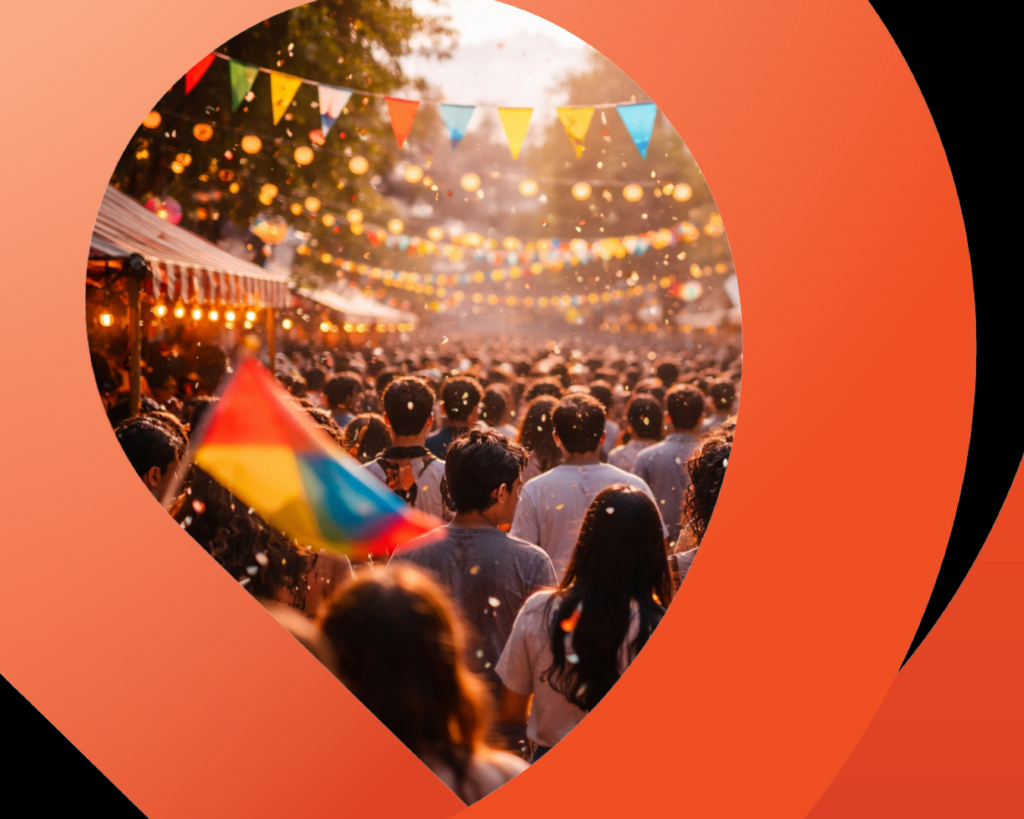
BBQ smoke, dripping ice cream cones, sunscreen, something frying. Then you turn the corner and there it is: a street that was empty yesterday, now full of strangers acting like friends. A stage where a parking lot used to be. Kids eating things their parents will regret. Someone running the most popular booth at the whole event, completely unbothered by the line.
This is a summer festival. And honestly, there's nowhere we'd rather be.
What We Actually Mean When We Talk About Community
People say “community” a lot. It gets used in press releases and mission statements until it means almost nothing. But walk into a neighborhood street festival on a Saturday in July, and you remember what it actually feels like. It’s loud. It’s crowded. It smells incredible. Someone is arguing about whether there’s enough parking, and someone else is completely unbothered because they walked here.
These events bring people out of their houses. You find out who your neighbors are, what they eat, what music they grew up on, what they’re proud of. That happens at a hundred-thousand-person event with a national headliner. It happens just as much at a two-block street fair that only the locals know about.
“My neighborhood/community has built up over the years and is largely driven by connection over kids as they have gotten older. We have a group text chain, and it is pretty standard to throw a neighborhood party for all the major summer holidays and do a huge party for Halloween, with every house setting up an activity. It’s just what we do!”
“I know that a lot of us here in the States are living in very volatile times; we’re trying to make ends meet, we’re busier and more stressed than ever, and I’m sure the thought of meeting and making small talk with strangers is exhausting.
But I think it’s a great way to help alleviate that loneliness epidemic, to help cultivate a sense of community, to have each other’s backs, help keep kids supervised and safe, and heck, maybe even network for job/career growth.”
The Food Is the Point
We say this with full sincerity: the food is always the point.
Not the musical headliner. Not the craft vendor with the beautiful ceramics. The food. Specifically, the food from the booth that’s been run by the same family for longer than most attendees have been alive, made from a recipe that lives in someone’s hands and not on any piece of paper.
“Let me state that the Memphis in May World Championship BBQ Contest is an amazing sight to behold. The sweet smell of hickory hangs thick in the air. Booths (some 3 levels tall) line the mile-long park. Over 100,000 people flock to this mecca of BBQ every year to eat, drink, and worship at the altar of swine.”
The dish that sells out by noon. The pit that draws a line before the gates open. Festival food is a love language. It’s how a community says: taste where we come from. Whether you’re at a massive ticketed event with fifty vendors or a church parking lot cookout that feeds three hundred people, someone made something they’re proud of, and they want you to have it. That intention comes through every time.
Music That Doesn’t Stay on the Stage
Festival music is different from concert music. You’re not always facing forward. You’re not always quiet. Sometimes you’re thirty feet back on a patch of grass or standing in a parking lot, and the music is mixing with the smell of grilling and the sound of kids, and you can’t tell anymore where the song ends, and the next begins.
That’s the thing about outdoor music. It escapes.
“You can see such an awesome variety of bands and people in just one walk from the north end to the south end. It appeals to all ages and demographics.”
Summer is full of this. Free concerts in city parks. Massive multiday weekends. Tiny local jams at county festivals that nobody outside a fifty-mile radius has heard of. The common thread is that the music belongs to everyone there, not just the people with the best view.
What This Means for Brands
Here’s the honest truth about festival marketing: people are paying attention in a way they almost never are anywhere else. They’re off their phones more. They’re present. They made a choice to be here, and they’re glad they made it. That kind of openness is genuinely rare, and brands that understand it show up very differently from brands that don’t.
The ones that get it aren’t treating the festival as an impression. They’re treating it as an invitation. There’s a difference between a tent with a logo on it and a tent where something real is happening, where the brand is adding to the day rather than interrupting it. Attendees feel that distinction immediately, and they remember it.
What works is specificity. A brand that clearly did its homework on this community, this neighborhood, this particular gathering, earns something that a national campaign can’t manufacture. Trust isn’t built at scale. It’s built in moments, and festivals are full of them.
The other thing worth saying: smaller events are underrated. A regional street festival with ten thousand people and deep community roots can generate more genuine brand affinity than a sponsorship placement at a massive event where your activation is one of forty. The question isn’t how many people there are. It’s whether the people there feel like you belong.
Quester’s view is simple. If you want to understand how a community sees itself, go where it celebrates. And if you want that community to see your brand as part of their world, show up the same way they do. Not as a sponsor. As a neighbor.
Summer festivals are one of the last genuinely public things we have. No algorithm sorted who’s there. No subscription tier changes your experience. You just show up, the same as everyone else, and the afternoon happens to all of you at once.
That’s what we’re here for. That’s the whole thing.
Culture Pulse is powered by Quester’s Social Narratives practice. Linguistic analysis of how people actually talk, in their own words. We surface the human narratives underneath cultural moments so brands can see where belief is forming and demand is heading.
Quester.com/perspectives