
Branded April Fools’ Joke Aren't the Problem. Trust Is.
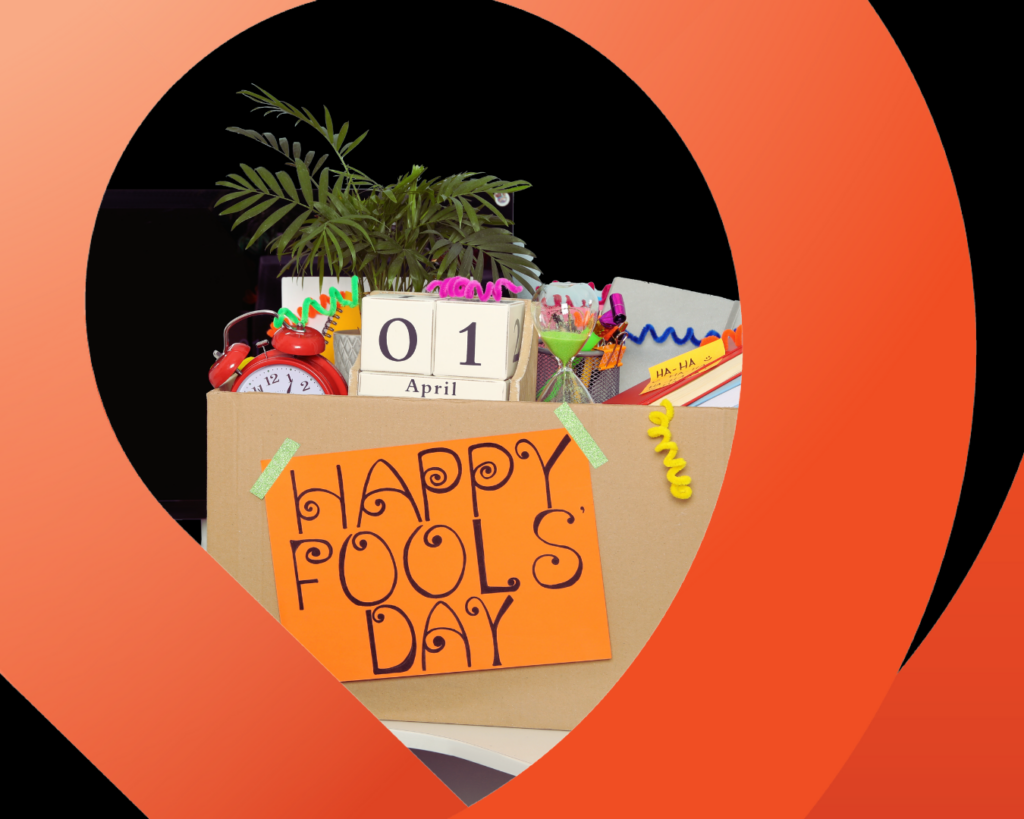
April Fools’ Day is built on a simple premise: you can’t always tell what’s real and what’s a joke.
For brands, that ambiguity raises a critical question
Do consumers trust you enough to play along?
At Quester, we look at moments like this through the lens of Social Narratives, the shared stories, beliefs, and tensions that shape how people interpret what brands say and do.
The brands that succeed on April Fools’ Day aren’t the funniest. They’re the ones whose “jokes” feel believable because they’re grounded in something already true. They are not trying to pull a malicious prank on their consumers; it is all in good fun.
They don’t break character for a laugh. They extend it.
It’s not about pulling off a clever prank or catching consumers off guard. In fact, the most effective brands avoid the “gotcha” altogether. Instead, they create ideas that feel like a natural next step:
- A product concept that fits within their innovation space
- A message that reinforces, rather than contradicts, their role in culture
- A tone that reflects how the brand already shows up, not borrowed humor for the moment
Because believability isn’t about execution. It’s about alignment with the narratives people already hold.
And the risk isn’t just that a joke falls flat. It’s that consumers start to question what else might not be true.
“Honestly, I love a good April Fools marketing stunt! It’s all about creativity and humor. However it’s essential to balance it out and make sure the joke doesn’t backfire. It’s all about spreading joy, not causing chaos. When done well, such campaigns can be a memorable way for brands to connect with their audience.”
“I knew this was an April fools prank NAMELY the timing, no real business would release a physical product near or April first because of April fools day.”
“I’m confused. Is this a legit product, or just April Fools? Please let it be real!”
“You made me care about something that isn’t real!!!”
“When I was younger I loved April Fools. Now in the age of social media and bombardment advertising, I detest it. It was fun before the internet. Now regular people, influencers and what not will post just to get engagement and shares. It lost the fun of it with the introduction of influencer culture.”
“Even corporate April fools jokes are exhausting. They make so many bizarre and anti consumer decisions already, the jokes don’t seem like a big stretch. Honestly they feel more phoned in than before, like you can feel the PR team being forced to be funny instead of only doing April Fool’s when someone has an actually clever idea.”
This is why Social Narrative intelligence isn’t a “nice to have” in moments like this.
It’s the difference between participating in culture and misreading it entirely.
If you’re thinking about how your brand shows up in moments like these, we’d love to connect. Info@Quester.com